
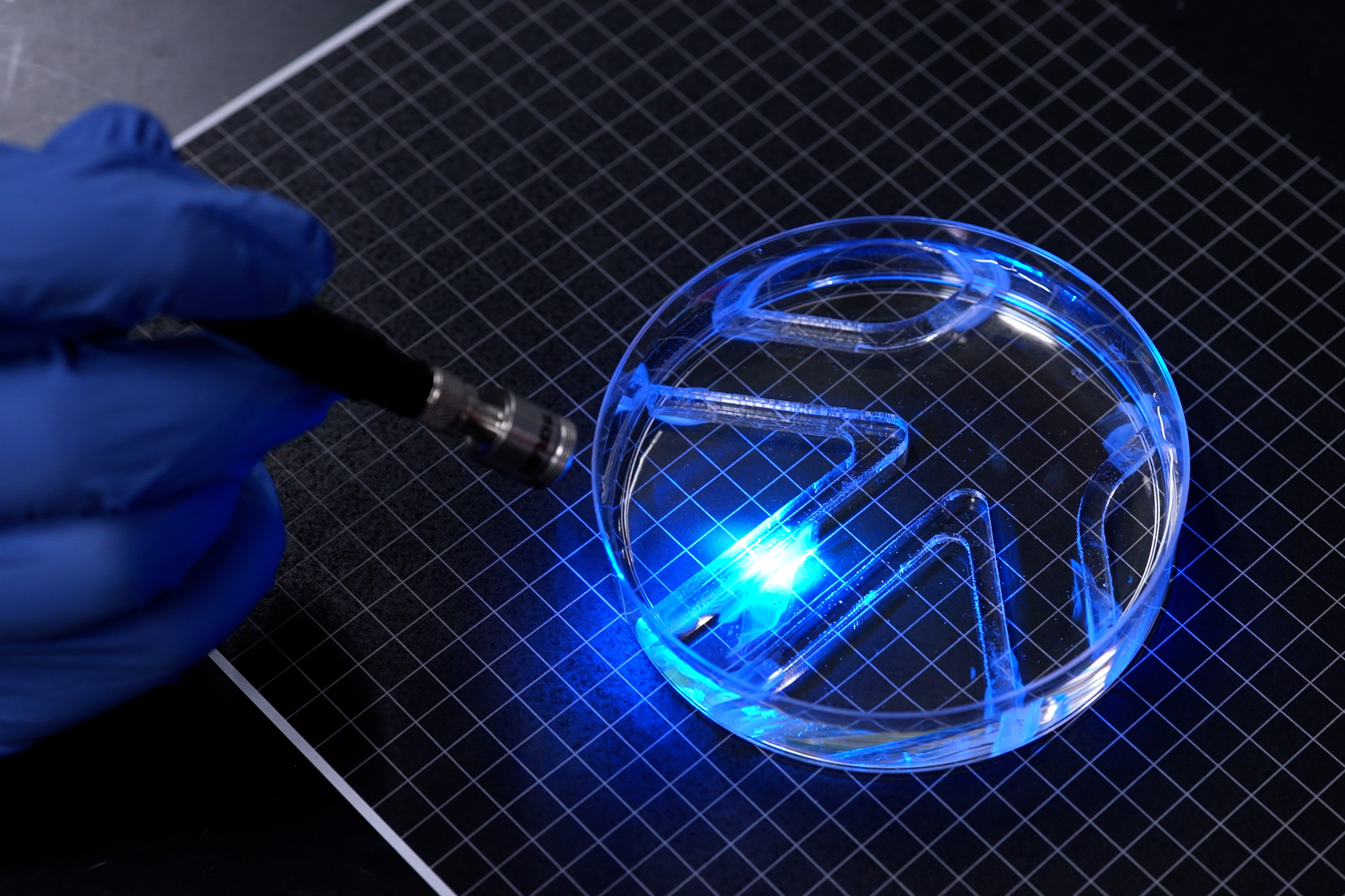
Powered by muscle cells, a paper-thin robot swims through watery maze (opens in a new tab)
MIT engineers’ new aquabot offers a way to design small, efficient “biohybrid” robots.
Read story (opens in a new tab)Explore robotics research, new engineering methods and advances in robot capabilities through reporting from established publications.
Feeds refreshed every 15 minutes
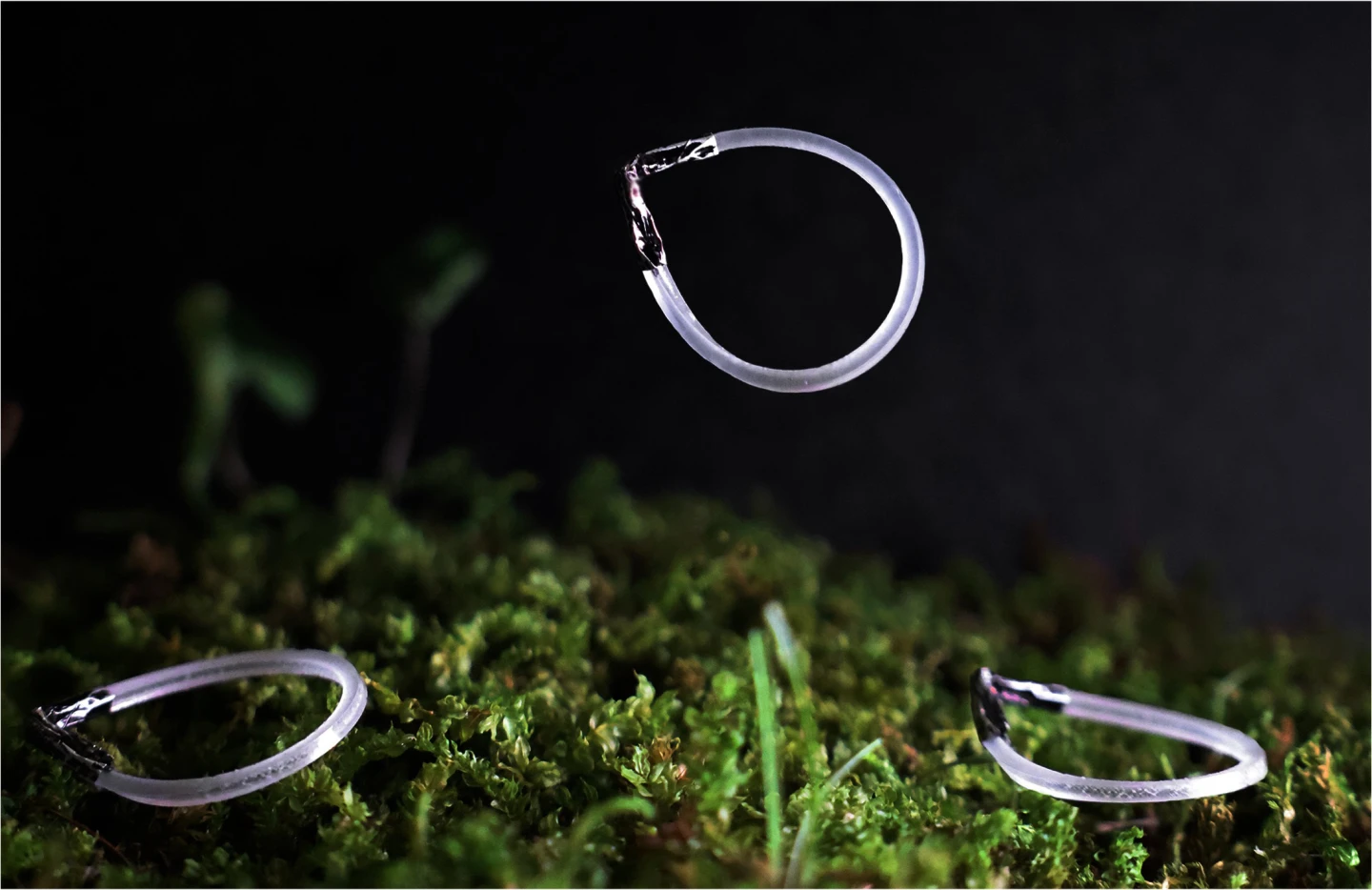
Swimming can take a lot of muscle. But as MIT engineers have found, even a single layer of muscle cells can power through water if designed right. In a paper published Sept. 28 in the journal Advanced Functional Materials, the team presents a design for a thin, muscle-powered sw…
Read original (opens in a new tab)

MIT engineers’ new aquabot offers a way to design small, efficient “biohybrid” robots.
Read story (opens in a new tab)
Robots – that is, self-guided mechanisms interacting with or changing their environments – exist in the popular imagination as large, blocky, metallic beings like R2D2 or TARS from Interstellar. But the field of soft robotics offers a vast array of robotic limbs, sensors, and bo…
Read story (opens in a new tab)
Video Friday is your weekly selection of awesome robotics videos, collected by your friends at IEEE Spectrum robotics. We also post a weekly calendar of upcoming robotics events for the next few months. Please send us your events for inclusion. IROS 2026: 27 September–1 October…
Read story (opens in a new tab)
In Guadalajara, Mexico, many high schools have motivated teachers and talented students with an interest in science, technology, engineering, and mathematics, but they lack access to advanced tools such as robotics laboratories. The resources shortfall limits the students’ oppor…
Read story (opens in a new tab)
A simple pattern of black-and-white stripes could cause an autonomous vehicle or robot to misjudge how far away an obstacle is, potentially triggering an unexpected maneuver or even a collision, according to new University of Florida research.
Read story (opens in a new tab)
Throughout her career, roboticist Barbara Mazzolai has turned to nature for inspiration. Now she wants to ensure the technology she builds gives back to the environment, too. After starting her career as a biologist, a chance opportunity saw Mazzolai switch streams to engineerin…
Read story (opens in a new tab)
AI agents are moving from cloud data centers to vehicles, robots, and other edge devices. Unlike a chatbot that answers a single prompt, an agent works through...
Read story (opens in a new tab)
This article is brought to you by VicOne. Robot safety has traditionally asked: Can a machine remain safe when something goes wrong? Physical AI raises a harder question: Can a machine remain safe when an attacker changes what it sees, decides, or does even when nothing appears…
Read story (opens in a new tab)
Why is a humanoid robot learning kung fu if its real job is supposed to be in hotels, factories, and warehouses? AGIBOT’s A3 can dodge strikes, perform high-speed spins, and interact with a human martial artist in real time. But behind the spectacular demo is something much more…
Watch on YouTube (opens in a new tab)Headlines link to the original reporting. Article dates show publication time; the refresh time shows when feeds were last checked.