ROBOTICS TODAY

Robotics research.

Explore robotics research, new engineering methods and advances in robot capabilities through reporting from established publications.

Feeds refreshed every 15 minutes

45 stories foundClear filters
Published

Team develops embodied robotic arm 'EmArm' with human-like touch sensing (opens in a new tab)

A research team at The Hong Kong University of Science and Technology (HKUST) has developed an Embodied Sensorimotor Robotic Arm (EmArm) capable of whole-arm tactile sensing and adaptive manipulation. By embedding a soft optical tactile skin directly into a robotic skeleton and…

Read original (opens in a new tab)
Image: Tech Xplore
Tech XploreStory image unavailable

More matching stories

Page 1 of 5
Image: Robotics & Automation News
Robotics & Automation NewsStory image unavailable
Published

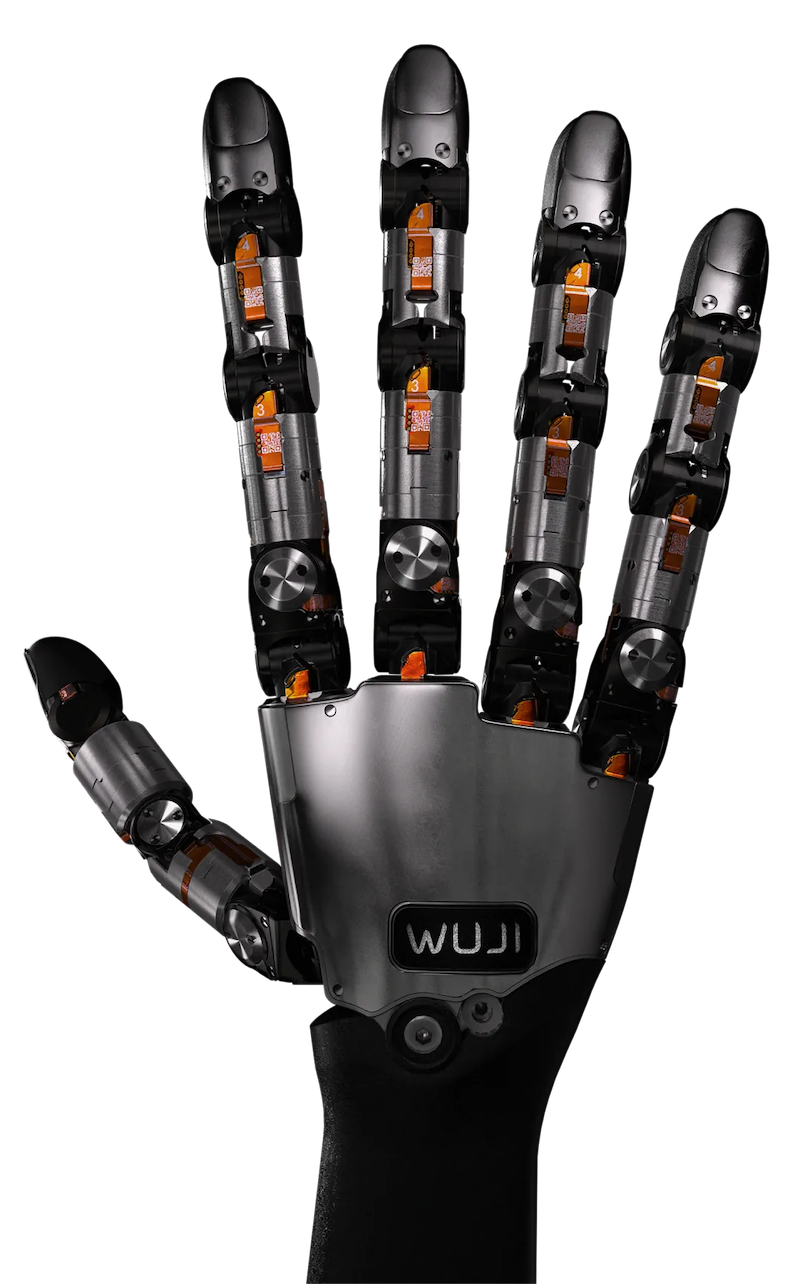
ETH Zurich scientists turn WUJI robotic hand into self-propelled mobile manipulator (opens in a new tab)

Scientists at ETH Zurich have demonstrated how an anthropomorphic robotic hand can use its fingers not only for manipulation but also for locomotion, enabling the hand to crawl, recover from falls and move around its environment without a separate mobility system. The research u…

Read story (opens in a new tab)
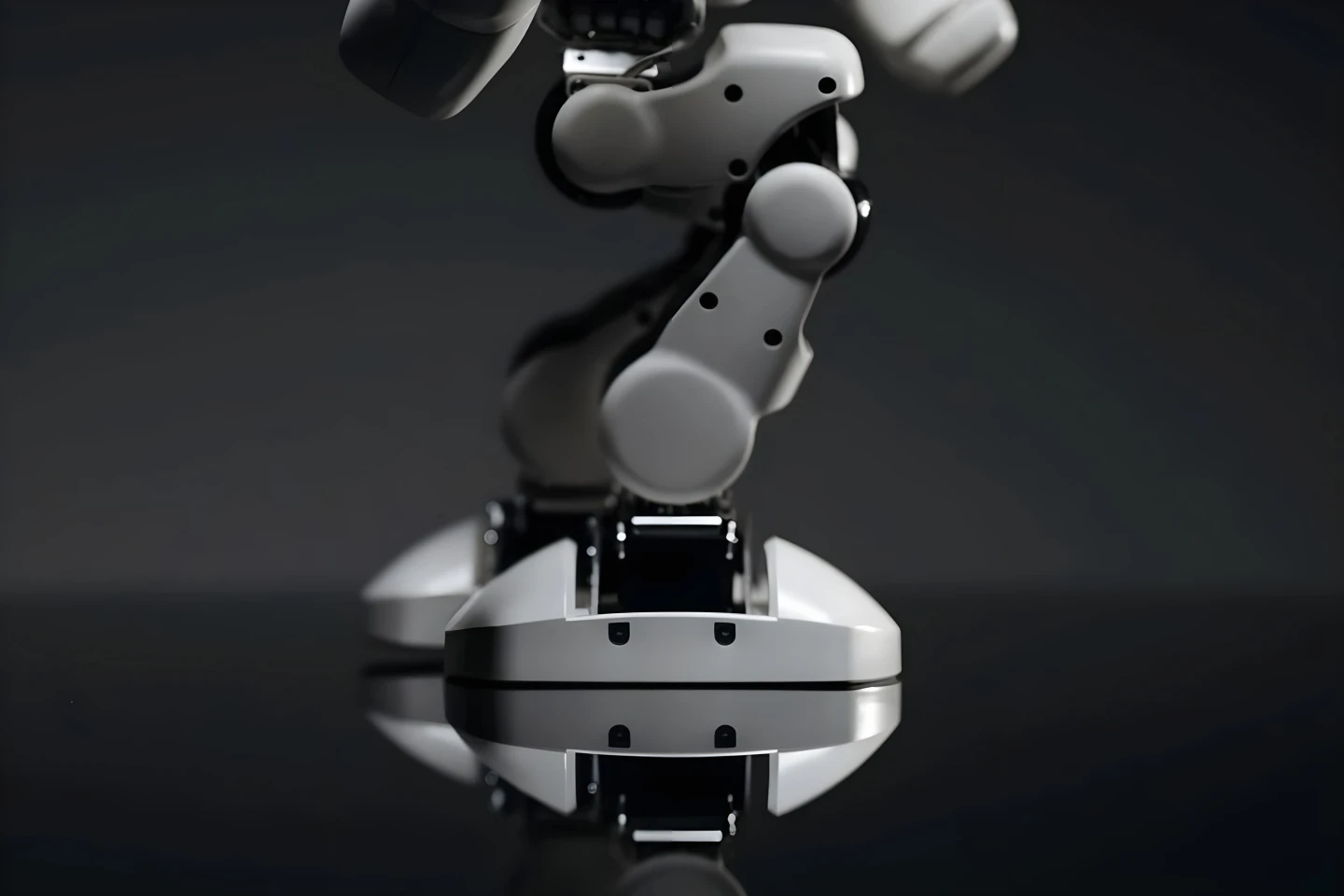
Image: Tech Xplore
Tech XploreStory image unavailable
Published

AI drone outpaces former world champions using one camera and no GPS (opens in a new tab)

What does it take for an autonomous robot to be faster around a course than human drone pilots? At these dizzying speeds, humans need lightning-fast reflexes. Researchers at Delft University of Technology (the Netherlands) have developed an AI system that enables a racing drone…

Read story (opens in a new tab)
Image: DroneLife
DroneLifeStory image unavailable
Published

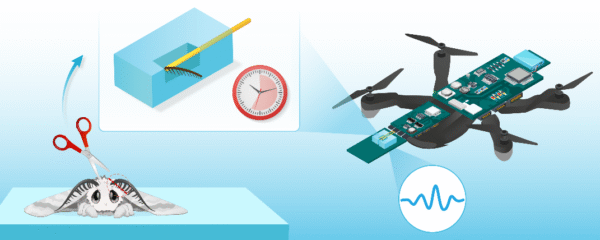
Drone Nose? Japanese Researchers Develop New Hydrogel To Combine Bug Antennae with Drones (opens in a new tab)

This article published in collaboration with JUIDA, the Japan UAS Industrial Development Association. Shinshu University and Chiba University researchers kept a silkworm moth antenna sensor above 92% of its initial signal after seven hours. They also showed a small drone moving…

Read story (opens in a new tab)
Image: TechCrunch
TechCrunchStory image unavailable
Published

Laplace Intelligence red-teams robots and self-driving cars before they hit the real world (opens in a new tab)

University of Michigan spinout Laplace Intelligence uses AI agents and interactive simulation to stress-test robots and self-driving vehicles before deployment. The profitable startup is competing in Startup Battlefield at TechCrunch Disrupt, October 13-15 in San Francisco.

Read story (opens in a new tab)
Image: DroneLife
DroneLifeStory image unavailable
Published

SPH Engineering Announces Winners of the 2026 Global Drone Operations Awards (opens in a new tab)

The inaugural awards recognized drone-borne GPR at a Chilean mine, gamma-ray peat mapping in Ireland and contact-free orca health research, plus a special recognition for remote drone education. SPH Engineering announced the winners of its inaugural Global Drone Operations Award…

Read story (opens in a new tab)
Image: New Atlas
New AtlasStory image unavailable
Published

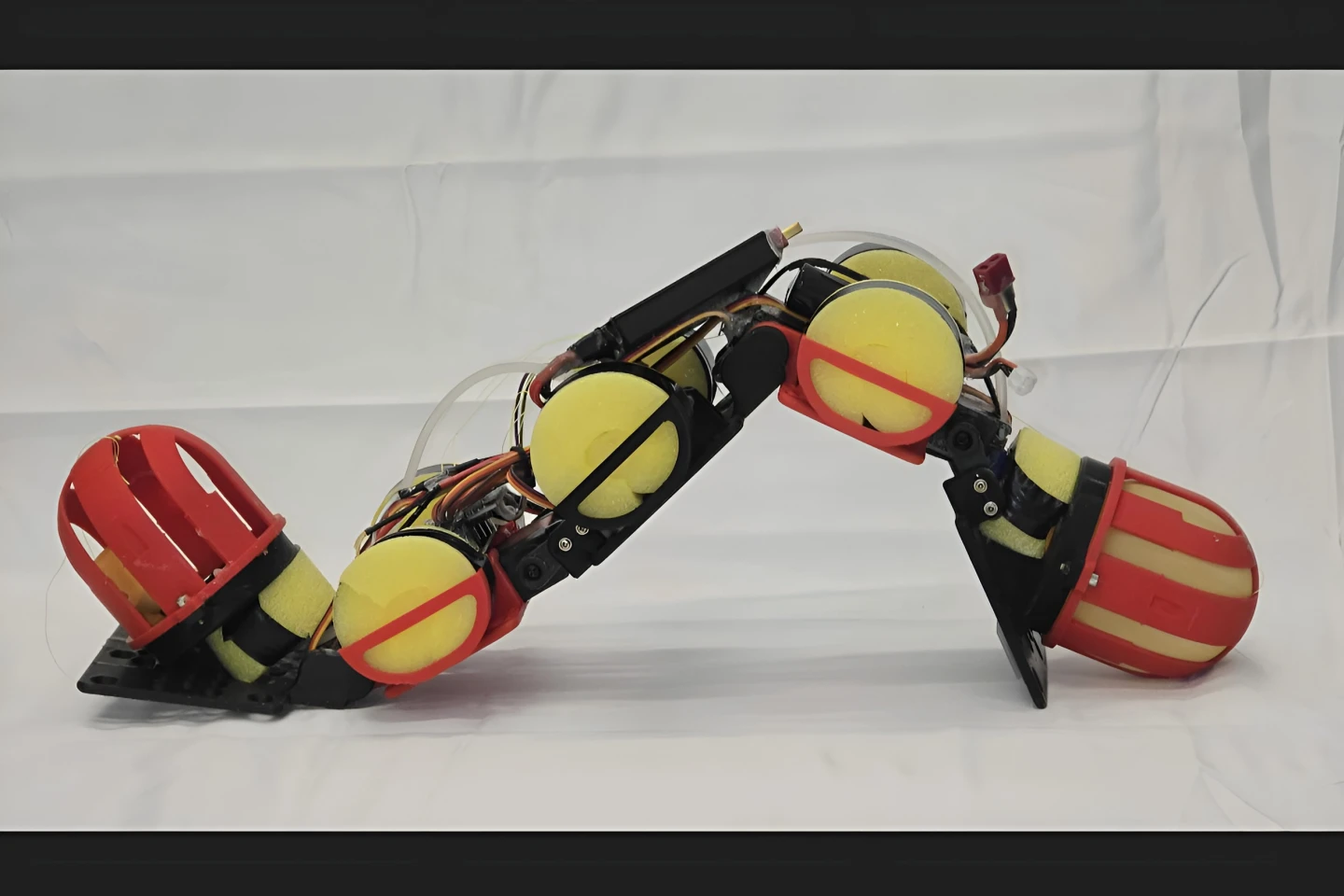
Water-pumping robot worms its way over rugged coastal terrain (opens in a new tab)

Biomimicry involves borrowing ideas from nature to solve engineering problems. This is what one of the research teams at New York University's Tandon School of Engineering specializes in. We recently covered their fish-inspired robot, so exploring water bodies seems to be taken…

Read story (opens in a new tab)
Image: New Atlas
New AtlasStory image unavailable
Published

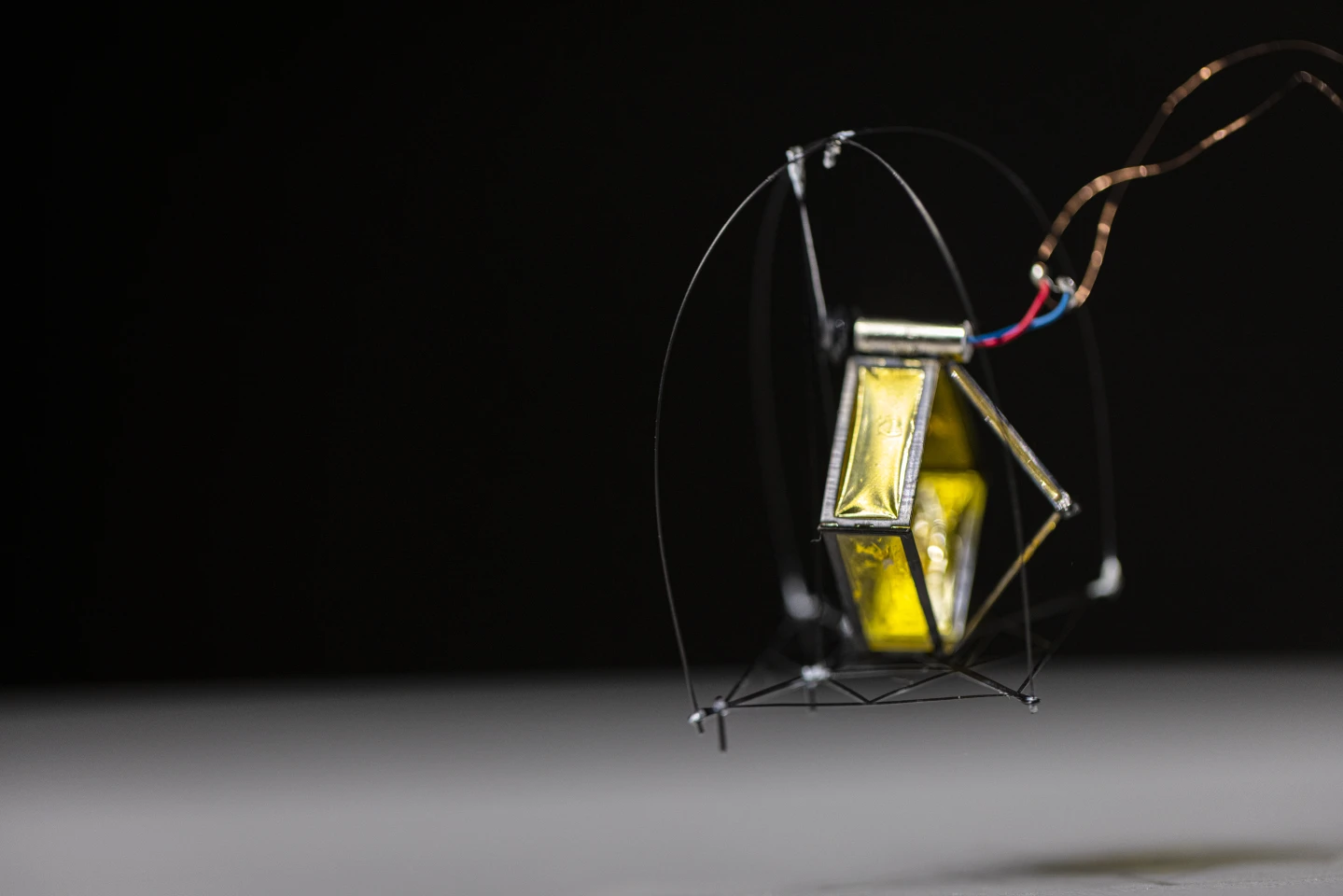
Next-gen hopping robot is the smart flea we didn't know we needed (opens in a new tab)

We’ve already seen robots that can swim like fish, stick to walls like geckos, and grab objects like elephants. Now, engineers at the University of Washington are building a new type of robot inspired by … the flea. Continue Reading Category: Robotics, Engineering Tags: Universi…

Read story (opens in a new tab)
Image: New Atlas
New AtlasStory image unavailable
Published

Tiny robot harvests battery power via skin on its feet (opens in a new tab)

Researchers have developed a paper-thin foot membrane that lets crawling microrobots harvest electricity directly from the ground beneath them, ditching heavy onboard batteries by turning metal and silicon surfaces into an active power source. Continue Reading Category: Robotics…

Read story (opens in a new tab)
Sources 18 publishers

Headlines link to the original reporting. Article dates show publication time; the refresh time shows when feeds were last checked.

About our sources & editorial standards
Feeds last refreshed